


Germany is the capital of automotive engineering in the world. The usual suspects, BMW, Audi, Mercedes-Benz and Volkswagen are at the front of the pack when it comes to innovation. But the industry is rapidly evolving. Until 2026, auto-engineers will need the skill of digital twin technology. All of it allows them to design, run tests and adjust cars on a virtual track before they build a real track. So, only for this view to be completely justified, all students studying or seeking work in Germany should be able to have high-paying jobs.
What are digital twins? A digital twin is a computer simulation of a physical object, system, or process. In the car world, that can mean a car, an engine, a battery, or a plant. Engineers have live data to analyse for performance, problem diagnosis, and operation tuning.
Digital twin technology in the automotive industry has ceased to be an option. It is used in German companies to test electric cars, autonomous systems and production lines. Crash, fuel efficiency, and battery life can be simulated digitally by engineers. This reduces mistakes and accelerates innovations. That is why it is now more preferred in companies to have engineers who know digital twins.
Germany is a high investor in Industry 4.0. Digital twins are being implemented at a fast pace in automotive companies, research centres, and startups. The need for skilled engineers is increasing with each passing year. Among auto engineers, the digital twin skill will be a need-to-have by 2026. They can use all this to design, test and tune a car on a real track — except that the track is a virtual one — before ever building a real car. This feature opens the door to well-paid work for students who want to study or work in Germany.
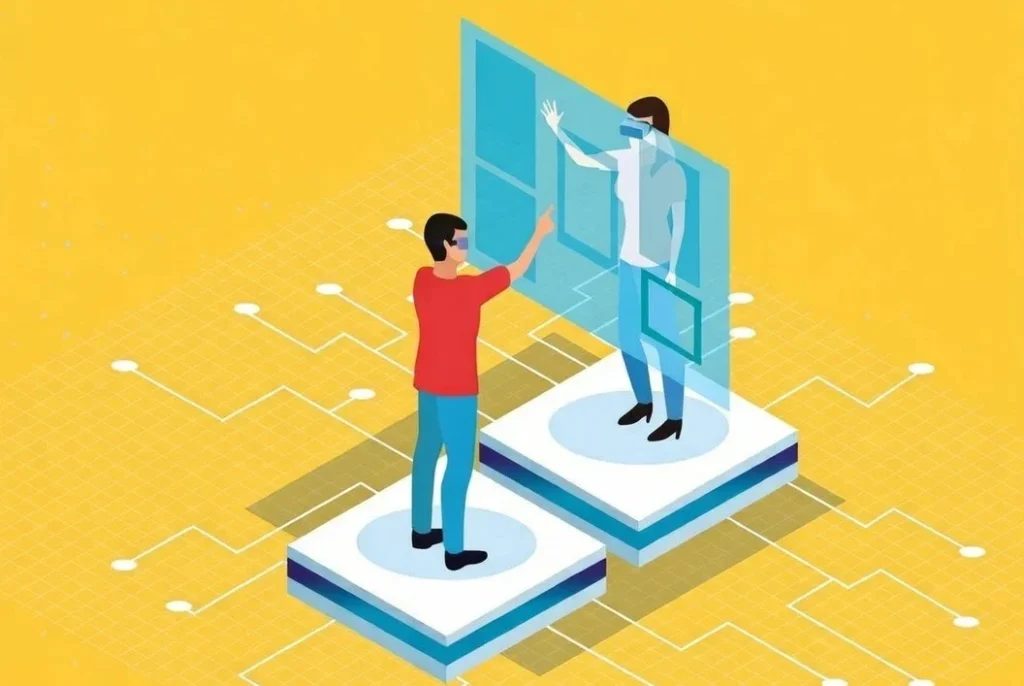
Auto-engineers are supposed to learn:
The skills are beneficial in enabling engineers to operate on real-time simulation and smart vehicle models.
Germany provides the opportunity for world-class education with little or no tuition fees. Some universities offer concepts of digital twin under automotive engineering, mechatronics, Industry 4.0 and so on. Investigation and the application of knowledge are the hallmarks of public universities. Under the appropriate guidance, it is really easy for overseas students to make a plan to study digital twin technology in Germany.
On graduation, students can serve as:
New graduates can make between 50 and 65k a year. Experience may be 85,000+. Long-term job security and PR are also available in Germany.
In Germany, the most popular tools are:
Knowing such tools will make you more employable in the German automotive market.
Pros:
Cons:

YES Germany is a reputed brand for study abroad. It directs the students throughout the process. The team makes the journey smooth since it assists in course selection, visa support, and so on. YES Germany provides professional counselling in case you are looking at a German Education Consultant in Noida. It is a reliable Study Abroad Consultant in Noida for Germany-focused education.
The next generation for automotive engineers: digital twins. This is transformative for students who want to make a successful career in Germany. With proper education and guidance, you will be able to stay ahead in 2026 and beyond. Contact YES Germany and start your automotive career in Germany, a booming industry.

It is a digital representation of a real-life object that is tested and enhanced virtually.
Yes. German automotive companies extensively use it in design and testing.
Yes. Most of the German universities have related programs in engineering and Industry 4.0.
Salaries are between 50,000 and 85,000 based on experience.
YES Germany assists in the choice of university, applications, visas, and end-to-end services.
As the days pass by Germany is increasingly becoming the go-to dream destination for students aspiring to pursue their higher education abroad.
German Education Consultant

© 2026 YES Germany. All Rights Reserved.
WhatsApp us
