
India +91-8070606070

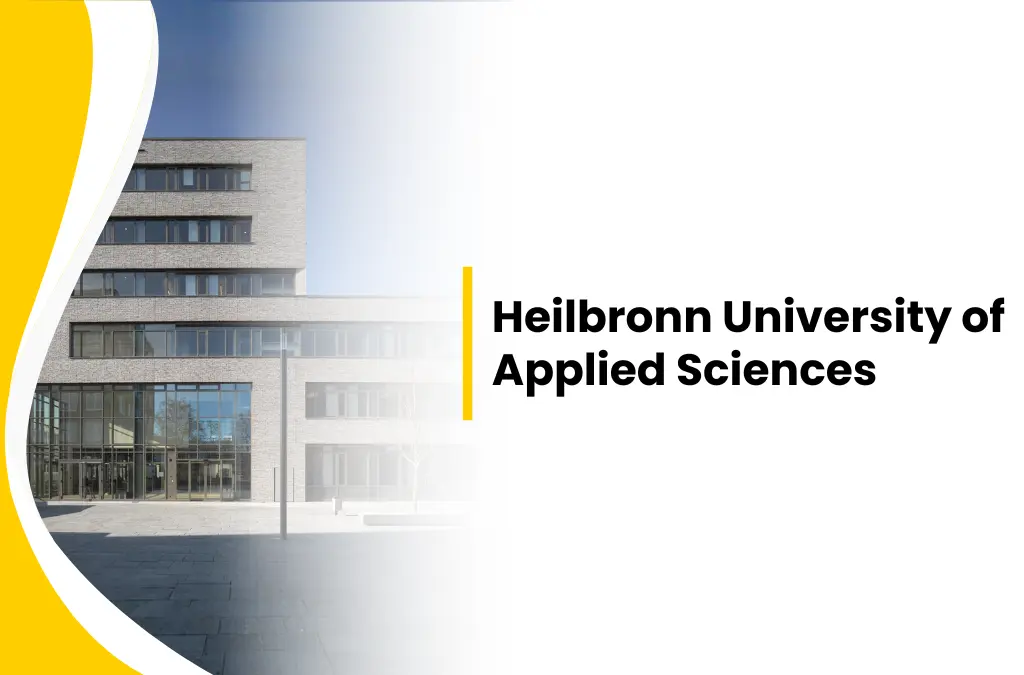
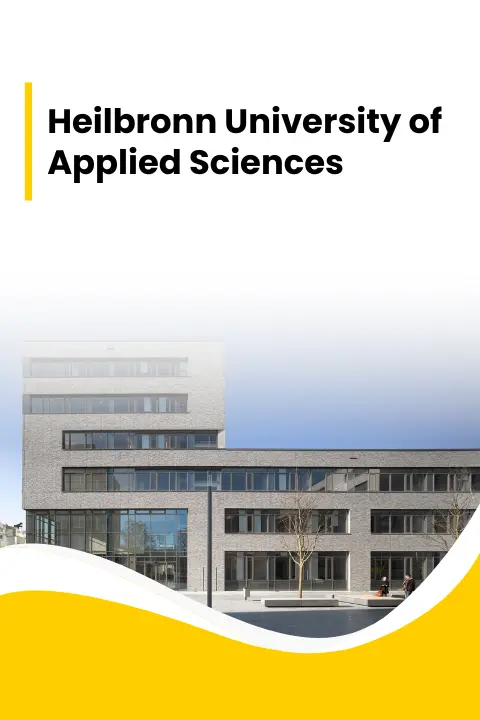
Germany draws global minds with its valued degrees, low-cost learning, and strong industry ties. Yet the true quest isn’t picking the country, it’s finding the place where theory meets practice. This is where Heilbronn University stands out. Known for its applied sciences approach, modern campus, and strong employer connections, the university focuses on preparing students for real careers rather than just classroom knowledge.
For those planning to study in Germany, Heilbronn offers an excellent mix of affordability, employability, and quality education, making it a smart alternative to larger, research-heavy universities.
Heilbronn University stands apart. Rather than focusing purely on research, it excels in professional training and strong industry ties. Ranked highly for student satisfaction and graduate employability, it offers a highly interactive learning experience, small classes, professor interaction, and project-based courses that turn theory into tangible skills.
This practical model is especially beneficial for students who want skills that match market demands instead of purely academic theory.
Heilbronn offers a wide range of career-focused programs across business, engineering, and technology fields. Popular areas include:
Students interested in bachelors in Germany can choose structured undergraduate programs that include foundational knowledge along with internships. These courses integrate real company projects, helping students understand workplace expectations early.
For postgraduate learners, the university provides specialized options, including masters in Germany, designed with industry input. These programs focus on practical skills, case studies, and professional readiness, which improves job prospects immediately after graduation. Many courses are taught entirely in English, making them accessible to international students.
Applicants planning to pursue bachelors in Germany must meet specific academic and documentation standards defined by German higher education authorities. These requirements ensure that international qualifications are equivalent to the German Abitur and allow students to successfully Study in Germany at public universities.
Recognized Higher Secondary Qualification
Students must have completed higher secondary education from a recognized board. For Indian applicants, this usually means passing Class 12 with appropriate subject combinations. Technical and engineering programs may require strong academic performance in mathematics, physics, or related subjects, especially for students aiming to study at applied sciences universities.
Academic Transcripts
Applicants must submit official academic transcripts for Class 10 and Class 12. These transcripts should clearly mention subjects, grades, and the awarding board. Universities in Germany closely evaluate academic consistency when reviewing applications for bachelors in germany, and certified translations may be required if documents are not in English or German.
Language Proficiency
Language proficiency is mandatory and depends on the language of instruction.
APS Certificate (For Indian Students)
Indian students must obtain an APS certificate, which verifies academic credentials and confirms eligibility to apply to German universities. This document is mandatory for both university applications and the German student visa process, making it a crucial step for anyone planning undergraduate studies in Germany.
Students applying for postgraduate programs must demonstrate academic depth, subject relevance, and clear career goals to succeed in Germany’s rigorous education system.
Relevant Bachelor’s Degree
Applicants must hold a recognized undergraduate degree closely related to the chosen master’s program. German universities carefully assess course content and credit structure to ensure academic compatibility, particularly for professional and technical disciplines.
Minimum GPA Requirement
Most universities require a minimum GPA equivalent to a German grade of 2.5 or better. Competitive programs may have higher academic expectations, especially for business, engineering, and technology fields. Strong academic performance improves admission chances for students aiming for masters in Germany.
Statement of Purpose (SOP) and Curriculum Vitae (CV)
The Statement of Purpose plays a decisive role in postgraduate admissions. It should clearly explain the applicant’s academic background, motivation for choosing the program, and long-term career objectives. The CV should highlight education, internships, projects, and any relevant work experience, demonstrating readiness for advanced study in Germany.
Language Proficiency
Applicants must provide proof of language proficiency according to the program’s instruction language. While some universities may waive language tests if previous education was completed in English, most programs still require standardized proof. Language readiness is a key factor for academic success and professional integration during postgraduate studies.
One of the strongest advantages of Heilbronn University is affordability. As a public university, it does not charge tuition fees for most programs. Students only pay a semester contribution of around €150-€200, which covers administrative services and transport benefits. Living expenses in Heilbronn are also lower than big cities like Munich or Berlin:
Overall monthly costs remain around €800-€900, making it financially manageable for international students.
The campus is modern and technology-driven, designed to support applied learning. Students have access to well-equipped engineering labs, digital classrooms, innovation centers, libraries, and collaborative study spaces. There are also startup incubators that encourage entrepreneurship.
Located in Baden-Württemberg, the city of Heilbronn is peaceful, safe, and well connected to Stuttgart and Frankfurt. This location places students near major industrial hubs, providing easy access to internships and job opportunities.
Life at Heilbronn goes beyond academics. Students benefit from cultural clubs, sports facilities, mentorship programs, and international events that help build friendships and networks. Part-time jobs are widely available, and students are legally allowed to work 20 hours per week.
The smaller city environment also means less distraction, lower expenses, and a focused study atmosphere. For many students who choose to study in Germany, this balance between academic rigor and comfortable living makes Heilbronn an ideal choice.
Heilbronn is a state-recognized public institution, and its degrees are respected across Europe and worldwide. The university follows strict German education standards, ensuring quality and credibility. Graduates can pursue jobs, higher studies, or research opportunities internationally without concerns about degree validity.
Career readiness is one of the biggest strengths of this university. Strong ties with companies such as Bosch, SAP, Porsche, and several mid-sized firms help students secure internships and placements. Career fairs, workshops, and networking events connect students directly with recruiters. Germany’s 18-month post-study work visa further increases employment opportunities, allowing graduates enough time to find suitable jobs and build their careers.
Yes, it offers English programs, low costs, and strong industry exposure.
No, only a small semester contribution is required.
Yes, students can work part-time up to 20 hours weekly.
Most programs include mandatory internships or practical semesters.
Its applied learning approach, smaller classes, and strong job outcomes make it highly career-focused.


As the days pass by Germany is increasingly becoming the go-to dream destination for students aspiring to pursue their higher education abroad.
German Education Consultant

© 2026 YES Germany. All Rights Reserved.
WhatsApp us