

Germany has long been known as the global leader in automotive engineering. Home to iconic brands like BMW, Mercedes-Benz, Audi, Volkswagen, and Porsche, the country has shaped how the world drives. But today, the German automotive industry is going through one of the biggest transformations in its history. With the rise of electric vehicles (EVs), autonomous driving, AI, and sustainable mobility, the future of automotive engineering in Germany looks both challenging and exciting.
Germany’s strength in automotive engineering comes from its strong engineering education system, advanced R&D infrastructure, and close collaboration between automakers, suppliers, and research institutes. Automotive engineering jobs in Germany are not just about manufacturing cars anymore. They now focus on software development, electronics, battery technology, and smart mobility solutions.
One of the biggest changes shaping the future is the move from internal combustion engines (ICE) to electric vehicles. Germany is investing heavily in EV technology, battery research, and charging infrastructure. The German government is also supporting this shift through EV subsidies, climate policies, and strict emission norms.
Automotive engineers in Germany are now working on:
This shift has created high demand for EV engineers in Germany, especially those with skills in electrical engineering, mechatronics, and software.
Another major trend is autonomous driving technology. Germany is one of the first countries to legally allow Level 3 autonomous driving on public roads. Automotive engineers are now focusing on:
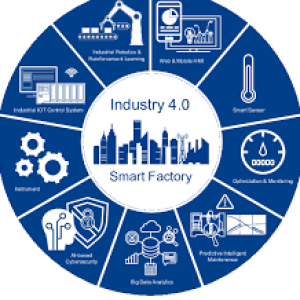
Germany is also leading in Industry 4.0, where automotive manufacturing is becoming smarter and more automated. Automotive engineers are working with:
This transformation improves efficiency, quality, and sustainability while reducing costs. Engineers with skills in automation, AI, data analytics, and industrial engineering are in high demand.
Sustainability is no longer optional in Germany’s automotive future. Automotive engineers are now designing vehicles with:
Hydrogen fuel cell vehicles and alternative fuels are also gaining attention. Germany aims to become carbon-neutral, and automotive engineering plays a key role in achieving this goal.
Germany offers excellent opportunities for international automotive engineers, including professionals from India. With a shortage of skilled engineers, Germany welcomes talent through:
Skills in EV technology, embedded systems, AI, CAD tools, and automotive design significantly increase job prospects.
To succeed in the future automotive industry in Germany, engineers need more than traditional mechanical knowledge. Key skills include:
The future of automotive engineering in Germany is innovative, sustainable, and technology-driven. From electric vehicles to autonomous driving, Germany continues to shape the global automotive landscape.
For students and professionals planning to build a career in Germany’s engineering ecosystem, YES Germany acts as a trusted bridge—guiding aspirants toward the right opportunities, education pathways, and career growth in Germany’s world-class automotive industry.
Yes. Germany offers strong job opportunities, high salaries, advanced technology, and global exposure for automotive engineers.
Absolutely. Electric Vehicle engineering jobs in Germany are growing rapidly due to government policies and industry investments.
Yes. Germany actively hires international engineers through work visas and the EU Blue Card program.
Key skills include Electric Vehicles technology, automotive software, AI, automation, and basic German language skills.
Top cities include Stuttgart, Munich, Wolfsburg, Frankfurt, and Berlin.
As the days pass by Germany is increasingly becoming the go-to dream destination for students aspiring to pursue their higher education abroad.
German Education Consultant
WhatsApp us